Is Social Media Alone Enough? When You Still Need a Website
Running your business on social media is free and easy—but is it enough? Learn the pros, cons, and when it's time to build your own website for long-term growth.
Why So Many Businesses Go "Social Only"
These days, you can scroll through Instagram or TikTok and find hundreds of small businesses selling, booking, and thriving — all without a website.
Think: a home baker taking cake orders through DMs, a yoga instructor scheduling classes via Facebook Messenger, or a boutique selling through Instagram Shops.
And it makes sense. Running your business entirely on social media feels easier and cheaper than managing a website.
Here's the appeal:
- No tech headaches. You don't have to worry about hosting, design, or maintenance. Just create an account and start posting.
- Free and fast. Platforms like Facebook, Instagram, and TikTok are free to join, and you can start reaching people immediately.
- Your audience is already there. Billions of people scroll these platforms daily — you're setting up shop where customers already hang out.
- Built-in tools. DMs, comments, stories, and even in-app shops make it easy to chat with customers, showcase your work, and take orders.
For a solo business owner or startup, that can sound like a dream — no cost, no web developer, and instant reach.
Take Sophie's Salon as an example. Sophie runs her hair studio entirely through Instagram. She posts before-and-after photos, uses Stories to announce openings, and books appointments via DMs. It works beautifully — her content doubles as a portfolio, and her clients love the convenience. For her small, visual business, Instagram feels like enough.
But as many entrepreneurs learn, building your entire business on borrowed ground has downsides.
Let's look at what's missing — and when it's time to make the jump from "social only" to "social + website."
The Catch: You Don't Own Social Media
Running your business on social media is like renting a booth in a busy marketplace. You get exposure — but you don't own the space.
Here's why that matters.
1. You're on rented land
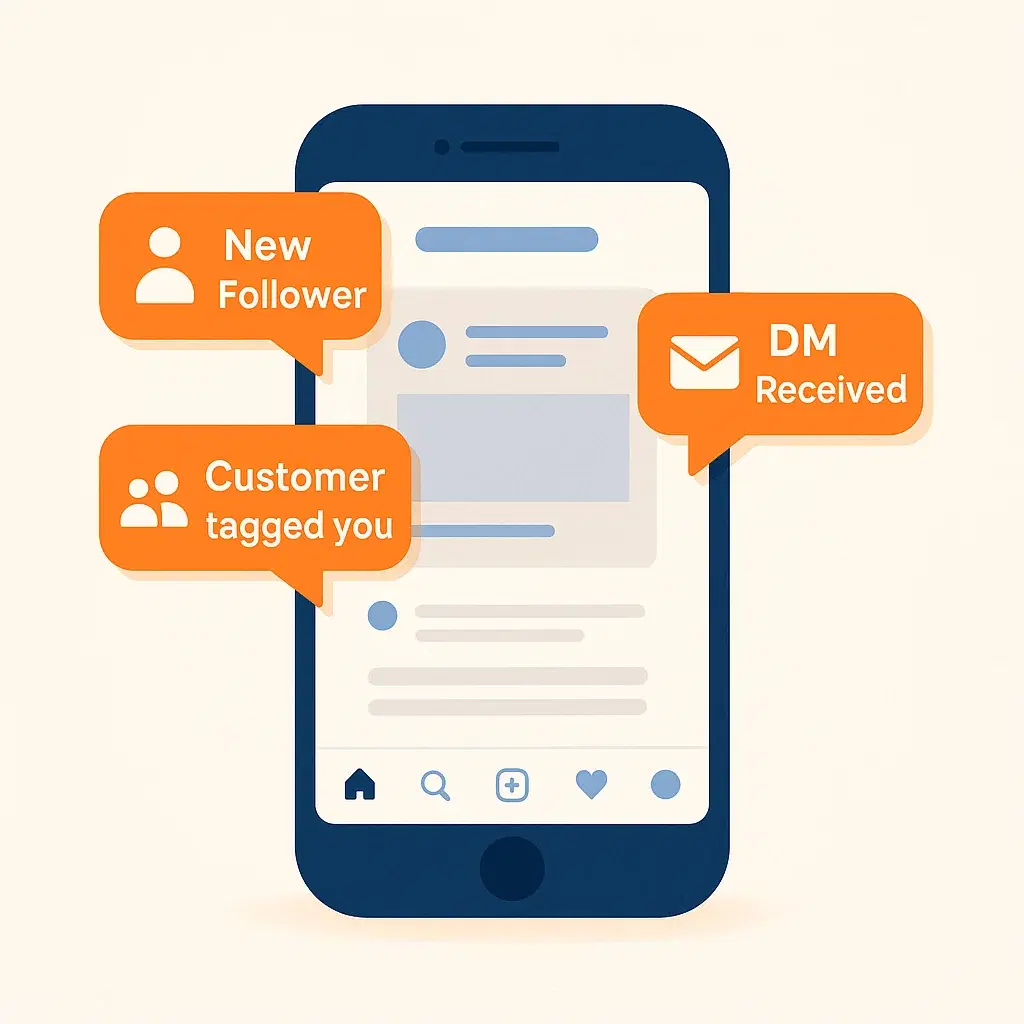
If Facebook, Instagram, or TikTok changes its rules or algorithm, your business visibility can vanish overnight.
Remember the 2021 Facebook/Instagram outage? For hours, countless small businesses couldn't communicate with customers or process sales. Some estimated losing thousands in revenue in just one day.
The reality: you don't own your followers, your content, or your traffic. If your account gets hacked, suspended, or the platform declines in popularity, your business can disappear with it.
2. You look like everyone else
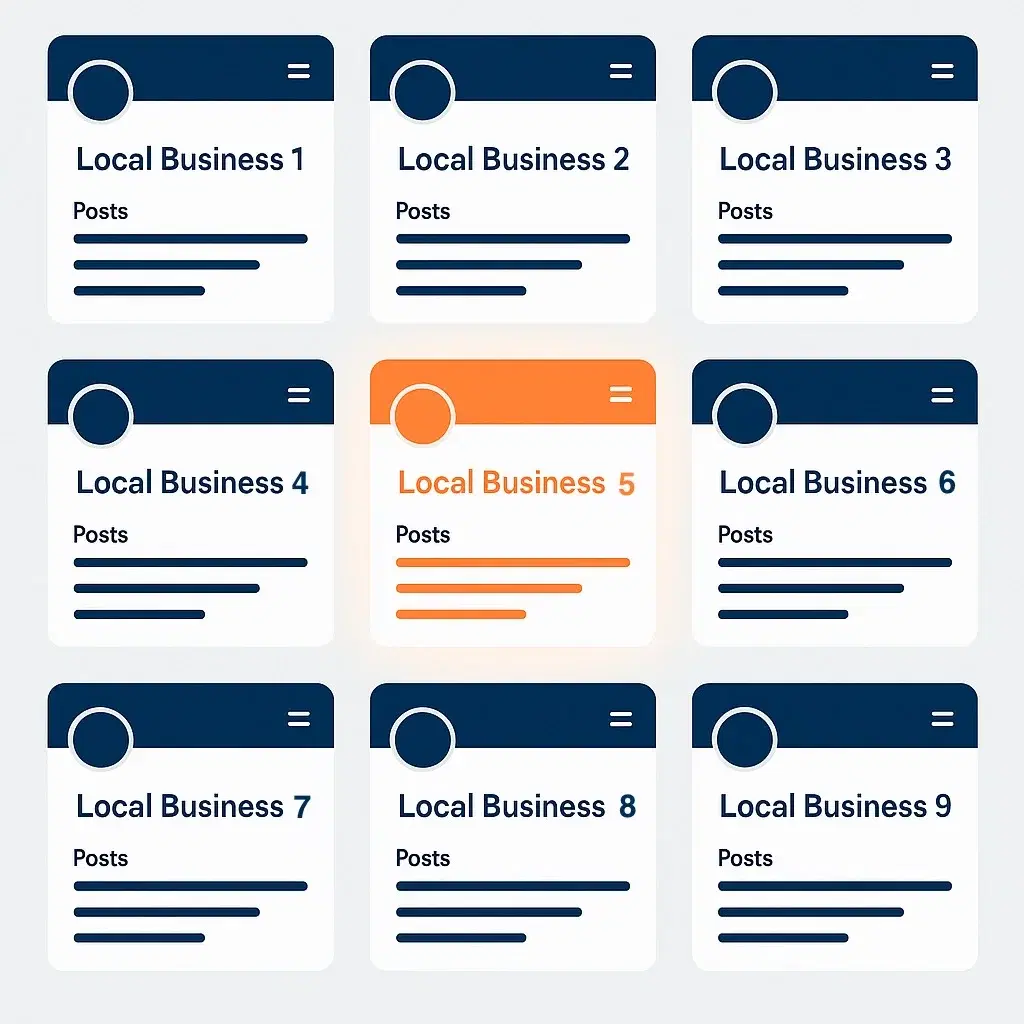
Social platforms limit customization. Every business profile looks roughly the same — one profile photo, a short bio, and a feed. That's fine at first, but as you grow, your brand deserves its own look and feel.
A website lets you control design, storytelling, and user experience. On social media, your business lives inside someone else's box.
3. You're nearly invisible on Google
Social media pages rarely show up high in Google search results.
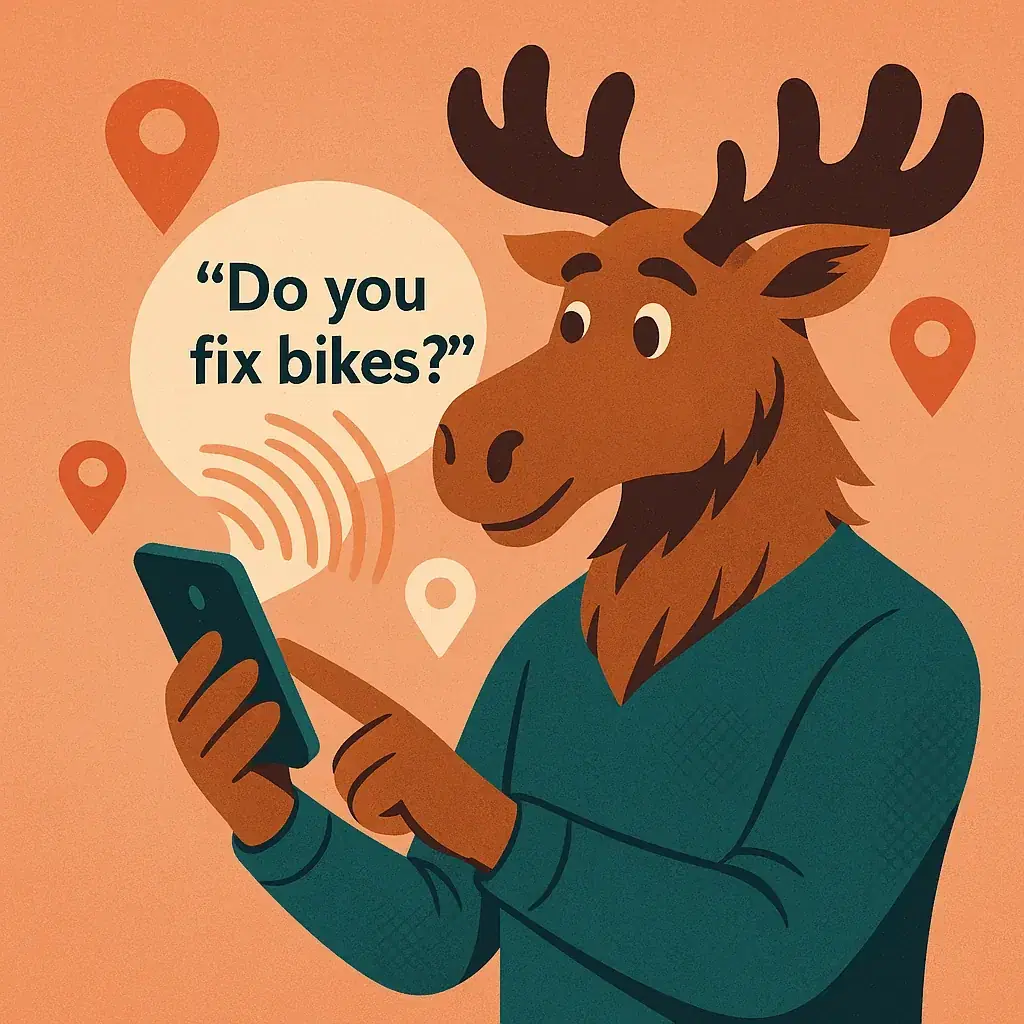
That means when someone searches "wedding photographer near me" or "dog trainer in Chicago," your Instagram might not appear — but your competitors' websites will.
Social media works great inside the platform. But if customers are searching on Google, your visibility is limited.
4. You're limited by platform features
Social media is built for quick, casual content — not full business operations.
Booking appointments, listing prices, hosting forms, or sharing long-form content? That's tough (or impossible) to manage solely on social.
Example: A personal trainer can post workout clips on TikTok, but when followers ask for class times or payment options, DMs get messy fast. A website could easily handle bookings, payments, and FAQs in one place.
5. It can hurt your credibility
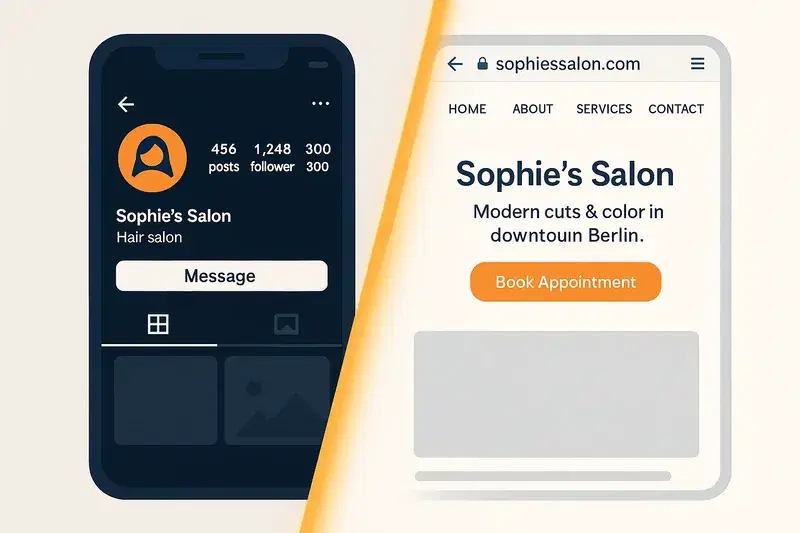
Fair or not, many customers still judge professionalism by whether a business has its own website. A polished website signals legitimacy and stability — it tells people, "This is a real business, not just a side gig."
Especially for consultants, service providers, or anyone charging premium prices, not having a website can make potential clients hesitate.
When Social Media Works Fine (For Now)
Not every business needs a website right away.
If you're small, starting out, or testing an idea, social media alone might be enough for now.
Here's when it can work well:
1. You're testing the waters
If your business is brand new — maybe you're baking custom cookies or offering local pet-sitting — it's smart to start lean. Use social media to gauge interest, gather feedback, and build your first few clients before investing in a website.
2. You only offer a few simple services
If your offering is straightforward — like "lawn care and snow removal" or "30-minute chair massages" — you can get by listing everything in your bio and responding quickly to messages.
3. Your main goal is daily engagement
If your strategy is built on frequent posts, live videos, and conversations with followers, then social-first marketing fits you.
A website wouldn't add much if your audience interacts primarily through comments and DMs.
So yes — for many early-stage or local entrepreneurs, starting social-first is smart.
But once you notice the following signs, it's time to evolve.
When It's Time to Add a Website
Your business will reach a point where social media alone starts holding you back. Here's how you'll know it's time to expand.
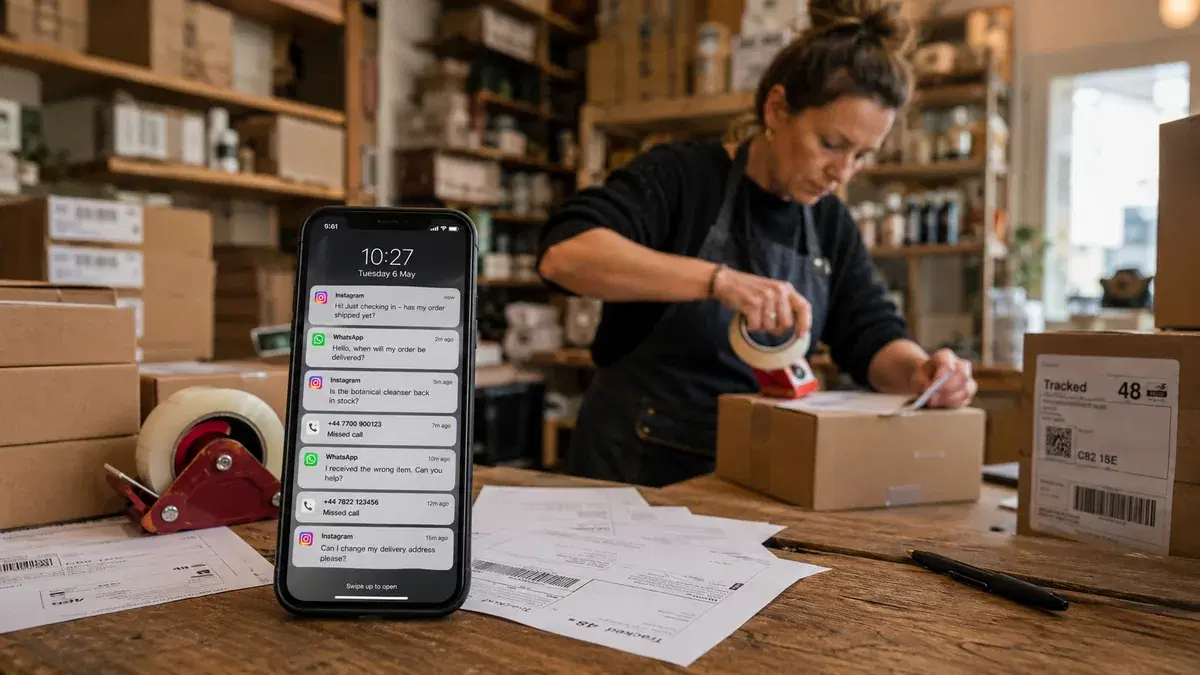
1. You're drowning in DMs
If you're constantly answering the same questions ("What's your price?" "How do I book?" "Where are you located?"), you need a central home for that info. If orders are part of the flood, read when to stop taking orders through Instagram DMs.
A website with your services, pricing, and booking form saves you hours — and gives customers instant answers without waiting for a reply. That's the switch The Place made when it moved from DM orders to 24/7 online ordering — and it now captures 30% more orders.
2. You want to look more professional
Once your business grows past hobby status, your online image needs to catch up.
A clean, simple website shows you're legitimate. Even one well-designed page with your logo, story, services, and contact info can make a huge difference in trust.
3. You're ready for automation
A website can handle bookings, payments, and inquiries automatically. Instead of juggling ten DMs at once, customers can fill out a form or schedule a time themselves.
That's a game-changer for saving time and staying organized.
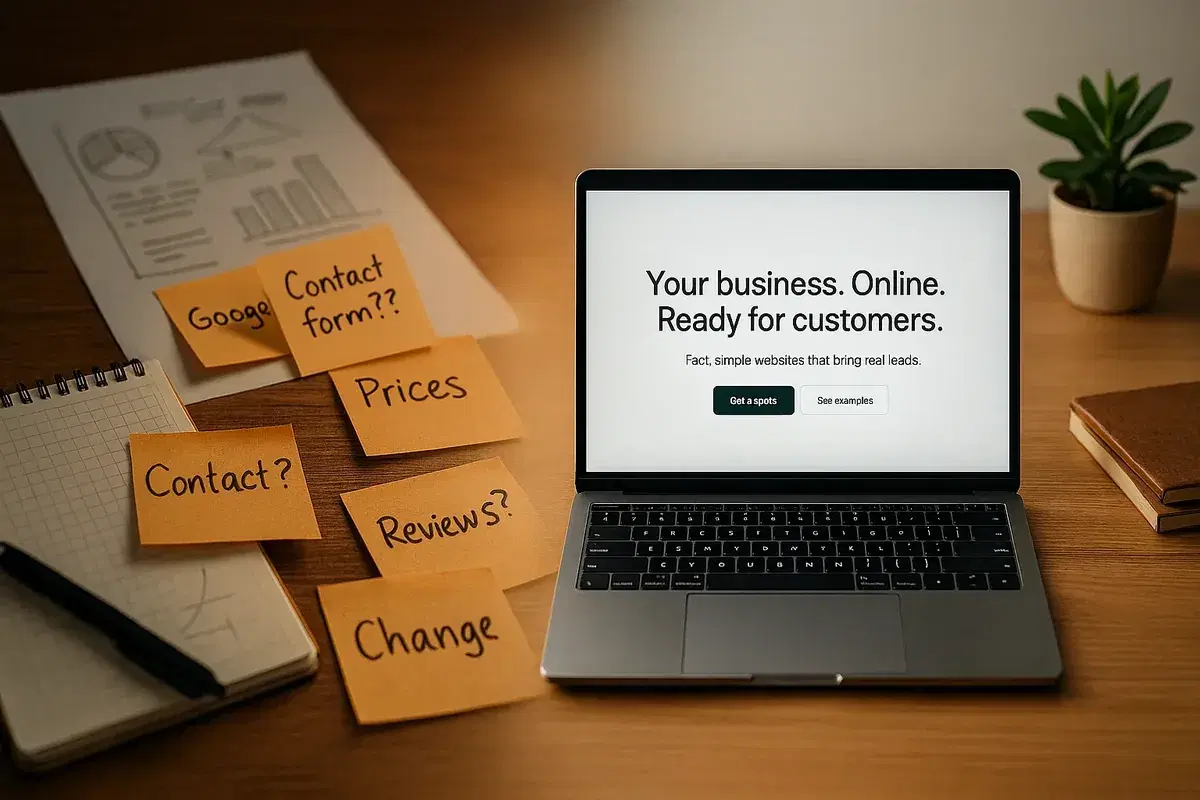
4. You want to be found on Google
Social platforms don't help much with SEO (search engine optimization).
If you want strangers searching "electrician near me" or "life coach in Denver" to find you — not just your followers — you'll need a website.
Even a one-page site optimized with your location and services can start pulling in traffic you'd never reach on social media alone.
5. You need more control
Your website is your digital home base — you own it, control it, and can shape it however you want.
It won't disappear because of an algorithm tweak or policy update. Plus, you can collect leads, emails, and traffic data to grow long-term.
Think of your website as insurance for your online presence.
How Social Media and Websites Work Together
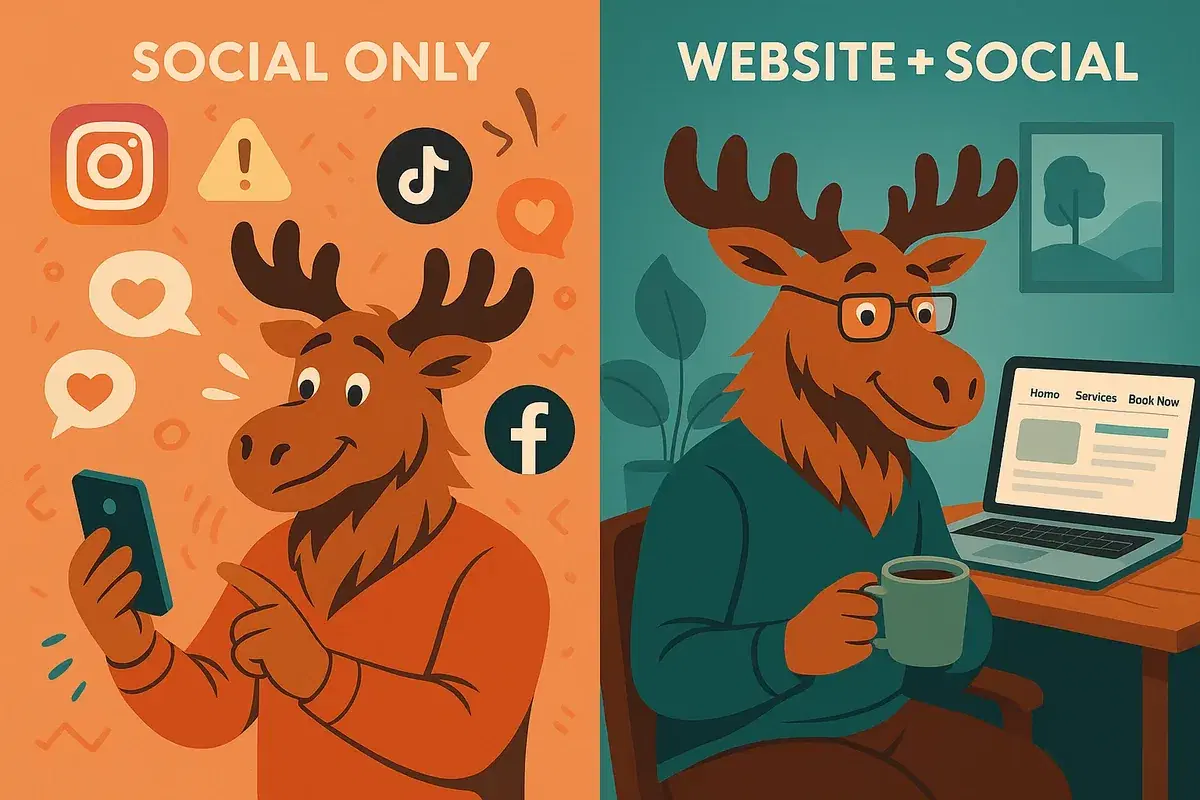
The best marketing strategy isn't social or web — it's both.
Here's how they can complement each other:
| What Social Media Does Best | What a Website Does Best | | --- | --- | | Builds awareness and engagement | Converts interest into leads or sales | | Connects with followers daily | Houses detailed info and booking systems | | Showcases visuals and updates | Boosts credibility and SEO visibility | | Encourages conversation | Centralizes all your key content |
For example:
- A restaurant can post daily specials on Instagram but host its full menu and reservation form on its website.
- A real estate agent can use Facebook for updates but send followers to their site to browse listings.
- A yoga instructor can attract students on TikTok but process sign-ups through her website.
Each platform plays its part — social draws them in; your website closes the deal.
Do I Need a Website Yet? (Quick Checklist)
Here's a quick self-test. If you say "yes" to two or more, it's time to start building your site.
- Customers often ask for details you can't easily fit in your bio or posts.
- You're spending too much time in DMs organizing orders or bookings.
- You want to be found on Google, not just social apps.
- You'd like to look more credible or attract higher-value clients.
- You worry what would happen if your social account disappeared.
- You plan to grow, advertise, or expand your offerings.
If that sounds like you, you don't need a giant website — even a single-page site with your key info and contact form will work.
The goal is simply to give your business a stable, searchable home online.
The Bottom Line
Social media is a powerful starting point. It's free, fast, and incredibly effective for connecting with customers.
But it's also fragile. Algorithms shift, platforms change, and features come and go.
A website, on the other hand, is something you own. It's your permanent home online — your brand, your message, your customer base.
So start where you are. Build your audience on social. But when the time comes — and it will — give your business the foundation it deserves. See what a website costs when you're ready.
Because followers are great…
But customers who can find you anytime, anywhere? That's better.